Overview of Anxiety Treatment
The choice of treatment for anxiety can depend on various factors such as the type of anxiety, how severe your symptoms are, and how much they are affecting your everyday life. Some of you may feel better by lifestyle changes while others may need a combination of approaches.
In the UK, treatment of anxiety usually focusses on both, the relief of symptoms and long-term management. The goal is not only to reduce the anxiety but also to enhance overall health, daily functioning, and quality of life.
There is no one-size-fit-all option while treating anxiety. There are people who may respond very well to talking therapies, while others may benefit from medication or self-help approaches. The most appropriate option is generally decided on the basis of individual needs, medical history, and personal preferences.
People suffering from mild-anxiety may benefit from improved sleep, stress management, regular exercises, or structured self-help strategies. However, if the symptoms are such that they start affecting work, relationships, or daily life, in these cases professional help may be helpful.
In many cases, anxiety treatment UK approaches involve a combination of therapy, lifestyle adjustments, and medical support when needed.
Non-medical Treatments
Cognitive Behavioural Therapy (CBT)
The initial and most commonly recommended approach to manage anxiety is talking therapy.
Cognitive behavioural therapy (CBT) is one of the most commonly used therapies for anxiety. It helps people recognise thought patterns and behaviours that may be making their anxiety worse and teaches practical ways to deal with it more efficiently.
CBT may help people in:
- Identifying the triggers
- Challenge the negative thinking factors
- Developing healthier coping strategies
- Reducing avoidance behaviours
- Managing their anxious thoughts more effectively
The duration of the therapy can differ from person to person. Some people may notice improvement within a few weeks, while others may need a longer-term support.
You can access CBT through:
- Individual sessions
- Group therapy
- Guided self-help programmes
- Online therapy services
Counselling, guided self-help programmes, or mindfulness-based approaches may also be beneficial for you.
Along with manging the symptoms, therapy can enhance your understanding about how anxiety can affect your behaviour, reactions, and even response to stress. The techniques you learn during therapy can be useful and support you in long-term.
Lifestyle Changes
The way you live your life can also affect your anxiety levels and general wellbeing.
There are certain habits that may reduce the impact of anxiety symptoms, such as:
- Regular physical activity
- Breathing techniques
- Maintaining a healthy sleep routine
- Managing stress more effectively
- Relaxation techniques
- Mindfulness
- Breathing exercises helpful in stressful situations
Similarly, there are certain habits that may make it difficult for you to manage anxiety and making gradual and realistic changes to these may help improve emotional health with time. These are:
- Poor sleep routine
- Excessive caffeine intake
- Irregular routines
- Ongoing stress
Although lifestyle measures may not replace professional treatment in every case, they can still support recovery and work alongside other approaches.
Medical Treatments
You doctor may consider medicines if you experience severe, persistent, or significant symptoms that start affecting your daily life.
To choose the appropriate medicine, it is important to know:
- The type of anxiety disorder
- Severity of the symptoms
- Medical history
- Previous response to treatment
- Other medicines being taken, if any
It not necessary that only medicines will be able to help. Medicines are generally considered when therapy or lifestyle changes alone are not providing enough support.
SSRIs
Selective serotonin reuptake inhibitors (SSRIs) like fluoxetine, sertraline, and escitalopram are usually used along with other approaches such as lifestyle changes or therapy for longer-term management of anxiety.
They act by affecting the serotonin levels in the brain, which plays an important role in regulating mood and emotions.
SSRIs do not provide immediate relief, instead, it can take a few weeks for you to notice their effects. The choice between the medicines depends on the type of symptoms and how well your body is responding to the treatment.
Some people may notice side effects when starting treatment, such as nausea, headaches, digestive discomfort, or changes in sleep. These are often temporary and may improve as the body gets used to the medicine.
Regular follow-up with a healthcare professional can help monitor progress and identify any concerns during treatment.
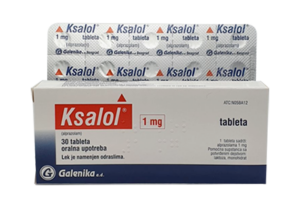
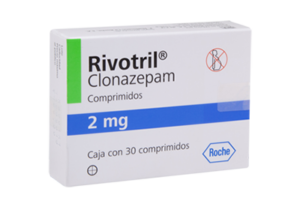
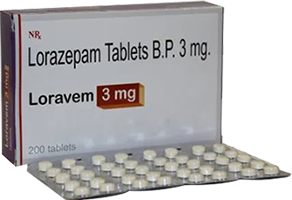
Benzodiazepines
Benzodiazepines are a group of medicines that acts on certain areas of the brain and central nervous system, including spinal cord and produces a calming effect. Therefore, they reduce the overactivity of brain and increased physical and mental tension. They may sometimes be used to help manage severe anxiety symptoms over a short period of time.
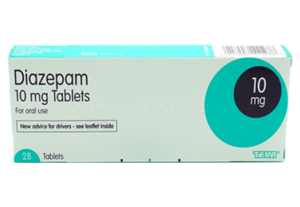
Diazepam is an example of benzodiazepines. It can act relatively quickly and may be given when there is acute anxiety or distress. However, these medicines are usually used carefully and for short durations. This is because repeated or use for longer durations can lead to tolerance, dependence, or withdrawal symptoms.
Hence, the treatment is closely monitored by a healthcare professional and the decision to give prescribe medicines like diazepam depends on the situation and requirement.
How Medication Works
All medicines used for anxiety works differently.
SSRIs acts on the brain and affect certain chemicals (serotonin) that are responsible for regulating mood and emotions. These medicines usually take time to show noticeable effects, but they may help reduce the frequency and intensity of anxiety symptoms over time.
Benzodiazepines, such as diazepam, have a different mechanism of action. They enhance the effect of gamma-aminobutyric acid (GABA), a calming chemical in the brain. This in turn helps slow down the nervous system activity. Hence, they can be used in situations where rapid relief is required.
However, it is not necessary that medicines that work faster will always be suitable for long-term use. Some anxiety medicines are mainly prescribed to manage continuous symptoms, while others are given only for short intervals.
Medicines generally works best when given in combination with other approaches such as lifestyle adjustments, therapy, or stress management techniques.
It is important that you use your medicines exactly as prescribed. If you need to make any changes, be it in the dosing or duration of the treatment, you should speak to a healthcare professional.
Risks and Considerations
Anxiety treatments can be helpful, but it is also essential to understand the possible risks and side effects they may have.
Different medicines can affect you differently. Some people may have symptoms such as drowsiness (excessive sleepiness), dizziness, headaches, nausea, or sleep irregularities, especially during the early stages of treatment.
Certain medicines used for anxiety may also have an interaction with:
- Alcohol
- Sleeping tablets
- Opioid painkillers
- Other medicines that affect the nervous system
Therefore, healthcare professionals usually review your medical history and any current medicines before starting the treatment.
The care is often taken particularly with benzodiazepines such as diazepam, as using it continuously or for longer periods of time may increase the risk of dependence or withdrawal symptoms
You should not stop taking these medicines suddenly as this can sometimes worsen the symptoms and lead to withdrawal effects. If any changes to doses should be made, they must be done under strict medical supervision.
Your doctor may decide your treatment based on factors such as age, pregnancy, current health conditions, or previous mental health history. Regular follow-up during treatment helps ensure that the medicine suits you and any concerns are identified early.
Getting Treatment Safely Online
Through online healthcare services, it has now become easier for the people in the UK to access anxiety support and treatment remotely.
This can be really helpful for those of you who chose privacy, have busier schedules, or find it difficult to visit a clinic. However, it is important to be careful while choosing an online provider.
A genuine consultation will usually include questions about your symptoms, medical history, any medicines you are currently taking, possible risks or interactions.
While getting treatment online, make sure that:
- The service is registered and regulated in the UK
- It involves only qualified healthcare professionals
- You go through a proper medical assessment
- Medicines are prescribed to you only when clinically appropriate
Make sure that you always buy your medicines from regulated websites and use them with a proper medical advice and follow-up.
Safe online anxiety treatment UK services should provide clear medical guidance, appropriate assessment, and follow-up support where needed.
Medical Disclaimer
This content is entitled to the purpose of learning and is not intended to replace any medical advice, diagnosis, or treatment. Consult a qualified healthcare/sleep professional before starting, modifying, or discontinuing any medication for any reason.
References
- National Health Service, Anxiety Disorders, https://www.nhs.uk/mental-health/conditions/anxiety/ [accessed 6 May 2026].
- National Institute for Health and Care Excellence (NICE), Generalised Anxiety Disorder and Panic Disorder in Adults (CG113), https://www.nice.org.uk/guidance/cg113 [accessed 6 May 2026].
- National Health Service, Talking Therapies and Counselling, https://www.nhs.uk/mental-health/talking-therapies-medicine-treatments/talking-therapies-and-counselling/ [accessed 6 May 2026].
- British National Formulary, Anxiolytics and Hypnotics, https://bnf.nice.org.uk/treatment-summary/anxiolytics-and-hypnotics/ [accessed 6 May 2026].
- National Health Service, Medicines Used to Treat Anxiety, https://www.nhs.uk/mental-health/conditions/generalised-anxiety-disorder/treatment/ [accessed 6 May 2026].