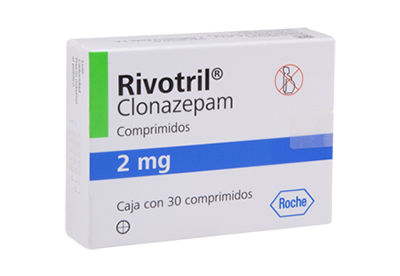
Description
If you want to consider clonazepam in the UK for the treatment of any of the above-mentioned conditions, it is important for you to understand certain things about this medicine. This includes its mechanism of action, when it may be used, and the risks involved. This will ensure a safe and appropriate treatment for your situation.
Clonazepam does not treat the root cause of a condition. Instead, it helps alleviate their symptoms for a limited period, or as a part of a complete treatment plan. To verify if it’s appropriate for you, a healthcare professional will conduct a careful medical review, where your symptoms, medical history, and any other medicines you may be taking are taken into consideration
In clinical practice, clonazepam is usually prescribed where symptoms need to be kept in control over time. It may be considered in conditions where symptoms may recur, therefore, ongoing stability is important. Like other medicines in this group, it is prescribed with careful monitoring and regular review to make sure that the benefits outweigh the risks.
Clonazepam Uses
Clonazepam may be used to manage conditions where short-term but quick relief is required.
Anxiety
Clonazepam may be used in the management of some neurological conditions and conditions related to anxiety, especially when symptoms are severe, troublesome, or are not adequately controlled with other approaches.
Anxiety can affect both personal and mental health of a person. It may present as continued worry, tension, or a feeling of uneasiness that does not go away. Common symptoms may include:
- Nervousness or a feeling of constant worry
- Issues with concentration/poor concentration
- Irritation or restlessness
- Sleep disturbances
- Visible symptoms such as sweating, trembling, or a fast heartbeat
There can be cases where these symptoms become extreme enough to affect daily life, relationships, or work life. Clonazepam for anxiety may be considered in such situations.
However, it is used with caution and is not usually the first choice for long-term management. It may be a part of a broader treatment plan, which may include other therapies or medicines depending on individual needs.
Seizure Disorders
Clonazepam is commonly used to manage seizure disorders. It may be prescribed to:
- Help control specific types of seizures
- Reduce the how often they happen and how severe they are
- Keep brain activity more stable
When there are sudden bursts of electrical activity in the brain, they can disrupt normal brain functioning and cause seizures. Clonazepam acts on the brain and reduces this excessive activity, and helps maintain stability.
It may be used alone or alongside other anti-epileptic medicines, depending on the type of seizure disorder and individual response to treatment.
In seizure management, maintaining consistent levels of the medicine in the body is important. This is why dosing schedules are carefully followed and adjusted over time based on clinical response.
How Clonazepam Works
Clonazepam works by acting on certain areas of the brain and spinal cord. This action increases the effect of a natural calming chemical called gamma-aminobutyric acid (GABA).
GABA helps slow down the brain activity and plays an important role in
- Regulating sleep
- Controlling anxiety
- Relaxing muscles
- Emotional response
- Controlling nerve signals
By increasing the effects of GABA, clonazepam helps in:
- Slowing down overactive nerve signals
- Producing a calming and relaxing effect
- Reducing symptoms of anxiety and agitation
Due to this mechanism, this medicine is very useful in conditions where there is excessive or uncontrolled brain activity.
How quickly the medicine works and how long its effects last may vary between individuals. It may depend on factors such as metabolism, age, and overall health.
Clonazepam Dosage
The dosage of clonazepam can differ for each individual. It can depend upon factors such as:
- The health condition for which it is being taken
- Severity and nature of the symptoms
- Age and overall well-being
- Response to the ongoing treatment
- If you are taking any other medicines or have any relevant medical history
Doctors/GPs generally start from a low dosage and adjust accordingly. This helps lower down the risks of side effects while achieving symptom control.
While managing seizure disorders, dosing may be carefully adjusted over time to maintain proper control of symptoms. This may involve slow increases of the dose until the required effect is achieved.
In conditions related to anxiety, doses are usually kept as low as possible. Also, this medicine is used for shorter durations where appropriate.
According to clinical guidance:
- Daily dosage may lie between lower and moderate doses, depending on the severity of the condition
- Doses are mostly divided throughout the day
- In cases where sedation is required, a larger dose may be given at night
Special care is required in certain groups:
- Older adults may be more sensitive to the sedative effects and may require lower doses
- Individuals with liver or kidney conditions may need dose adjustments
- Those taking other medicines may require careful monitoring for interactions
If you have been prescribed with clonazepam, it is important for you to:
- Take it exactly as it is prescribed
- Avoid taking any extra doses
- Not share your medicine with others, even if they are dealing with the same problem
In case you miss a dose, do not double it without the guidance of a qualified healthcare professional.
Do not stop taking your medicine suddenly without medical advice. This can lead to withdrawal symptoms. Any changes made to the dose should be under appropriate medical advice.
Regular review during treatment helps ensure that the dose remains appropriate and safe.
Side Effects of Clonazepam
Like all medicines, clonazepam can also cause side effects. It is not certain that you will experience them. Some side effects are more common and may improve with time as your body adjusts to the medicine.
Common side effects
- Feeling sleepy or drowsy
- Dizziness or light-headedness
- Fatigue
- A feeling of being off-balance or unsteady
These are the most commonly reported side effects. These may be more noticeable at the start of treatment or when there is an increase in the dose.
Other possible side effects
- Confusion
- Memory problems
- Slurred speech (dysarthria)
- Reduced concentration
- Mood changes
Less common but important effects
- Breathing problems
- Severe drowsiness
- Unusual behaviour
- Allergic reactions, such as swelling of the face or throat
You must seek urgent medical help if you happen to experience any of these.
Paradoxical reactions
In some cases, clonazepam may produce the opposite effect in certain individuals, including older adults, such as agitation, irritation, restlessness, and aggression.
Long-term Uses
Long-term use of clonazepam may lead to:
- Increased tolerance (reduced effectiveness)
- Increased risk of dependence
- Withdrawal symptoms when stopped suddenly
The risk and severity of side effects may increase with higher doses. Older adults may be more sensitive, especially to sleepiness and coordination issues, which may increase their risk of falls.
Safety Considerations
Your safety is the utmost priority. Clonazepam should only be used under expert medical supervision.
- Clonazepam is a prescription-only medicine in the UK and is only prescribed after a proper clinical assessment
- It has a risk of physical and psychological dependency, especially when used for longer durations
- You should not stop taking clonazepam suddenly. It can lead to withdrawal symptoms such as sleep disturbance, anxiety, or restlessness
- Avoid the consumption of alcohol while you are being treated with clonazepam. It can increase its sedative effect
- If you are pregnant, breastfeeding, or planning to get pregnant, you must seek medical advice before taking clonazepam
- Certain medicines, such as central nervous system depressants or herbal supplements, can interact with clonazepam and cause increased side effects
- It may not be suitable for you if you have an allergy to benzodiazepines, breathing issues, liver diseases (such as jaundice), or a history of substance abuse
- It may affect your ability to drive or carry out daily activities safely due to drowsiness and slower reaction times
Close monitoring during treatment helps ensure safe use. Any new or worsening symptoms should be discussed with a healthcare professional.
Clonazepam vs Diazepam
Clonazepam and diazepam both belong to the same class of medicines called benzodiazepines. However, they differ in the conditions for which they are used and their duration of action.
- Clonazepam: Typically used to control seizures and provide longer-term stabilisation
- Diazepam: Commonly used for short-term management of anxiety, muscle spasms, and acute symptoms
Hence,
- Clonazepam: Often preferred for controlling seizure-related conditions
- Diazepam: Mostly used to provide quick relief in acute conditions
Clonazepam may provide consistent, long-lasting control of certain conditions, while diazepam may have a fast action but last for a different duration.
Both medicines:
- Act by similar mechanisms
- Have a risk of dependence and sedation
- Are usually used for a short-term treatment
The choice between them depends on individual circumstances, clinical judgement, and the nature of symptoms.
Safe Access to Clonazepam in the UK
Clonazepam is a medicine that can only be accessed through a regulated medical process.
You may be able to request it through an online consultation. During this process:
- Your symptoms are taken into consideration
- Your medical history is evaluated
- Any current medicines are taken into account
- A clinician decides if this medicine is appropriate
Not all requests result in a prescription.
This ensures that treatment is based on safety, suitability, and clinical need.
Start Your Consultation
If you are considering treatment, the first and most crucial step is proper review.
Fill in the questionnaire and complete a secure online consultation in the UK and receive guidance from a qualified healthcare professional through a regulated prescription service.
Start your consultation or upload your prescription to take the next step towards healing.
Important Information
The content presented above is based on UK clinical guidance and patient information leaflets and is for awareness and general information only.
Do not replace any medical advice, diagnosis, or treatment with this content. Always seek advice from a licensed and qualified healthcare professional.
Clonazepam is a prescription-only medicine in the UK and is supplied only after clinical approval.
References:
- National Health Service, About Clonazepam, https://www.nhs.uk/medicines/clonazepam/about-clonazepam/ [accessed 28 April 2026].
- National Health Service, Side Effects of Clonazepam, https://www.nhs.uk/medicines/clonazepam/side-effects-of-clonazepam/ [accessed 28 April 2026].
- National Health Service, Taking Clonazepam with Other Medicines and Herbal Supplements, https://www.nhs.uk/medicines/clonazepam/taking-clonazepam-with-other-medicines-and-herbal-supplements/ [accessed 28 April 2026].
- National Health Service, Pregnancy, Breastfeeding and Fertility while Taking Clonazepam, https://www.nhs.uk/medicines/clonazepam/pregnancy-breastfeeding-and-fertility-while-taking-clonazepam/ [accessed 28 April 2026].
- British National Formulary, Clonazepam, https://bnf.nice.org.uk/drugs/clonazepam/ [accessed 28 April 2026].
- Medicines and Healthcare products Regulatory Agency, Clonazepam 2 mg Tablets – Product Information, https://products.mhra.gov.uk/product/?product=CLONAZEPAM%202%20MG%20TABLETS [accessed 28 April 2026].
- Drugs.com, Clonazepam Professional Monograph, https://www.drugs.com/pro/clonazepam.html [accessed 28 April 2026].
- National Health Service, Benzodiazepines, https://drugandalcohol.northlondonmentalhealth.nhs.uk/benzodiazepines [accessed 28 April 2026].

Reviews
There are no reviews yet.