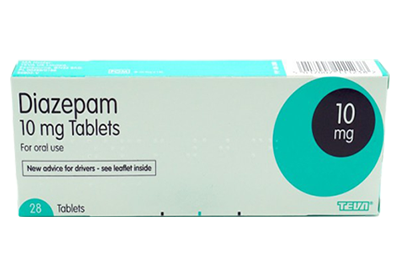
Description
To consider diazepam in the UK for the treatment of any of the above-mentioned conditions, it is important for you to understand certain things about this medicine. This includes its mechanism of action, when it may be used, and the risks involved. This will ensure a safe and appropriate treatment for your situation.
Diazepam cannot be given to everyone. It is only prescribed after a careful medical review, where your symptoms, medical history, and any other medicines you may be taking are taken into consideration.
What is Diazepam?
Diazepam belongs to a class of medicines known as benzodiazepines. It acts on the nervous system, slows down activity in the brain, and produces calming effects.
In clinical settings, diazepam can be used in different forms, which include tablets, liquid, and injectables. Tablets are commonly available in 2mg, 5mg, and 10mg strengths.
It is usually given for short-term use. This is because the body can become habitual of this medicine, which will result in its reduced effectiveness and increased risk of dependency.
How Diazepam Works
Diazepam works by acting on certain areas of the brain and spinal cord. This action increases the effect of a natural calming chemical called gamma-aminobutyric acid (GABA).
GABA helps slow down the brain activity and plays an important role in sleep, anxiety, memory, and controlling nerve signals. Therefore, it can
- reduce anxiety
- help you relax
- ease muscle tension, and
- may also be used to manage seizures
Due to these reasons, diazepam is often used to control rapid symptoms. However, it does not cure the underlying cause of the condition. It helps manage the symptoms for a short period.
Conditions Treated with Diazepam
Diazepam is used to treat a number of conditions, depending on clinical need. They can be:
Anxiety
Anxiety is an emotional state where you may feel worried or uneasy and may experience symptoms like sweating, trembling, feeling anxious and having a fast heartbeat. Diazepam may be used for short-term relief when anxiety is acute or severe. It is not usually recommended for long-term treatment.
Muscle Spasms
Muscle spasms, stiffness or injury can lead to discomfort. Diazepam can help relax muscles and reduce this discomfort. This may include conditions affecting the back or neck.
Alcohol Withdrawal
Diazepam is commonly used to manage alcohol withdrawal symptoms, but under strict medical supervision. These symptoms may include tremors, agitation, or anxiety.
Seizures
Diazepam in combination with other medicines may be used to help control seizures or prevent them in emergency situations.
Before Medical Procedures
It may sometimes be used to help reduce anxiety and induce sleepiness before certain medical or dental procedures, such as surgeries.
It is not certain that you will require only diazepam to manage these conditions. Always seek advice from a qualified medical professional on whether it is safe for your condition or not.
Dosage Overview
The dosage of diazepam can differ for each individual. It can depend upon factors such as:
- The health condition for which it is being taken
- Age and overall well-being
- Response to the ongoing treatment
- If you are taking any other medicines or have any relevant medical history
Doctors/GPs generally start from a low dosage and adjust accordingly. This helps lower down the risks of side effects.
If you have been prescribed with diazepam, it is important for you to:
- Take it exactly as it is prescribed
- Avoid taking any extra doses
- Not share your medicine with others, even if they are dealing with the same problem
Do not stop taking your medicine suddenly without medical advice. This can lead to withdrawal symptoms.
Side Effects of Diazepam
Like all medicines, diazepam 10mg can also cause side effects. It is not certain that you will experience them. Some side effects are more common and may improve with time as your body adjusts to the medicine.
Common side effects:
- Feeling sleepy or drowsy
- Dizziness or light-headedness
- Poor coordination or unsteadiness
- Confusion
- Shaking or tremors
Effects on Daily Activities
Diazepam may make you feel less alert, slower to react, or you may have difficulty in concentrating. Basically, it can affect your ability to carry out daily activities, such:
- Driving
- Operating machinery
If you feel drowsy, you should not engage in such activities.
Less Common Effects
- Memory problems
- Confusion
- Mood changes
- Slow reaction time
Serious Effects
Serious reactions are less common, almost rare, but these may include:
- Breathing problems
- Severe drowsiness
- Unusual behaviour
- Allergic reactions such as swelling of the face or throat
You must seek urgent medical help if you happen to experience any of these. Long-term use may lead to dependence and reduced effectiveness over time.
Safety and Warnings
- Diazepam is a prescription-only medicine in the UK and is only prescribed after proper clinical assessment
- It has a risk of dependence, especially after long use (more than 4 weeks)
- Over the time your body may start tolerating the medicine, this means it will become less effective
- Do not stop taking diazepam suddenly, as it can lead to withdrawal symptoms such as anxiety, sleep disturbance, or restlessness
- Avoid alcohol while you are on diazepam, as it can increase its sedative effect
- If you are pregnant, lactating, or planning for a baby, you must seek medical advice before taking diazepam
- Diazepam can interact with other medicines or herbal supplements, and cause increased side effects
- It may not be suitable for individuals having breathing issues, liver diseases (such as jaundice), or a history of substance abuse
A healthcare professional will assess these risks before prescribing.
Alternatives to Diazepam
Diazepam is not the first choice of medicine, it is generally used to give a short-term relief from the condition. However, there are various other treatment options available, that includes therapies, non-pharmacological approaches, etc.
These conditions can be approached via:
Other medicines
In some cases, other medicines can be considered. Your condition may require antidepressants such as Selective serotonin reuptake inhibitors (SSRIs) or serotonin-norepinephrine reuptake inhibitors (SNRIs). These are commonly used to manage long-term anxiety.
Therapy and Support
Non-pharmacological approaches may include:
- Talking therapies
- Cognitive behavioural therapy (CBT)
- Stress management techniques
Lifestyle Changes
Improving the lifestyle can contribute majorly in improvement of stress or anxiety-related conditions. These include regular exercise, improving sleep, and following stress reduction techniques.
According to the UK clinical guidance, alternative treatments are often preferred for ongoing management and benzodiazepines like diazepam are generally kept for short-term use.
A qualified healthcare professional will assess your symptoms, medical history, and individual needs to decide the most suitable option for you.
Safe Access to Diazepam in the UK
Diazepam is a medicine that can only be accessed through a regulated medical process.
You may be able to request it through an online consultation. During this process:
- Your symptoms are taken into consideration
- Your medical history is evaluated
- A clinician decides if this medicine is appropriate
Not all requests result in a prescription.
Important Information
The content presented above is for awareness and general information only.
Do not replace any medical advice, diagnosis, or treatment with this content. Always seek advice from a licensed and qualified healthcare professional.
Diazepam is a prescription-only medicine in the UK and is supplied only after clinical approval.
References:
- National Health Service, About Diazepam, https://www.nhs.uk/medicines/diazepam/about-diazepam/ [accessed 23 April 2026].
- National Health Service, Side Effects of Diazepam, https://www.nhs.uk/medicines/diazepam/side-effects-of-diazepam/ [accessed 23 April 2026].
- National Health Service, Pregnancy, Breastfeeding and Fertility While Taking Diazepam, https://www.nhs.uk/medicines/diazepam/pregnancy-breastfeeding-and-fertility-while-taking-diazepam/ [accessed 23 April 2026].
- National Health Service, Taking Diazepam with Other Medicines and Herbal Supplements, https://www.nhs.uk/medicines/diazepam/taking-diazepam-with-other-medicines-and-herbal-supplements/ [accessed 23 April 2026].
- Electronic Medicines Compendium, Diazepam Patient Information Leaflet, https://www.medicines.org.uk/emc/files/pil.101911.pdf [accessed 23 April 2026].
- DrugBank Online, Diazepam (DB00829), https://go.drugbank.com/drugs/DB00829 [accessed 23 April 2026].
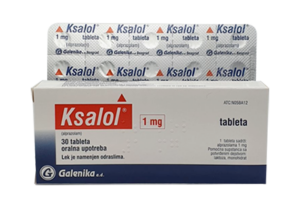
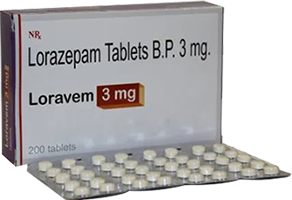
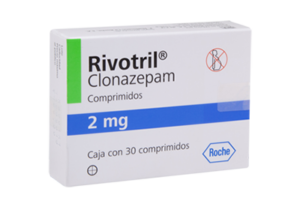
Reviews
There are no reviews yet.